San Antonio, Texas
Cast Your Shadow
(210 760-0917)

About Nevil
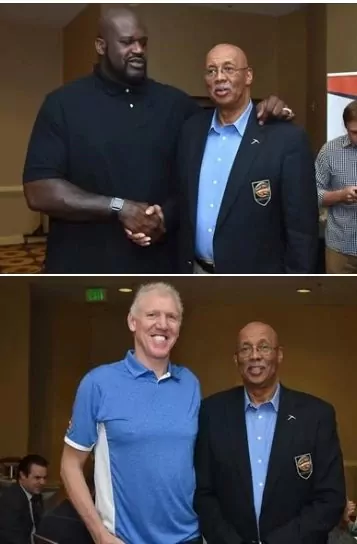
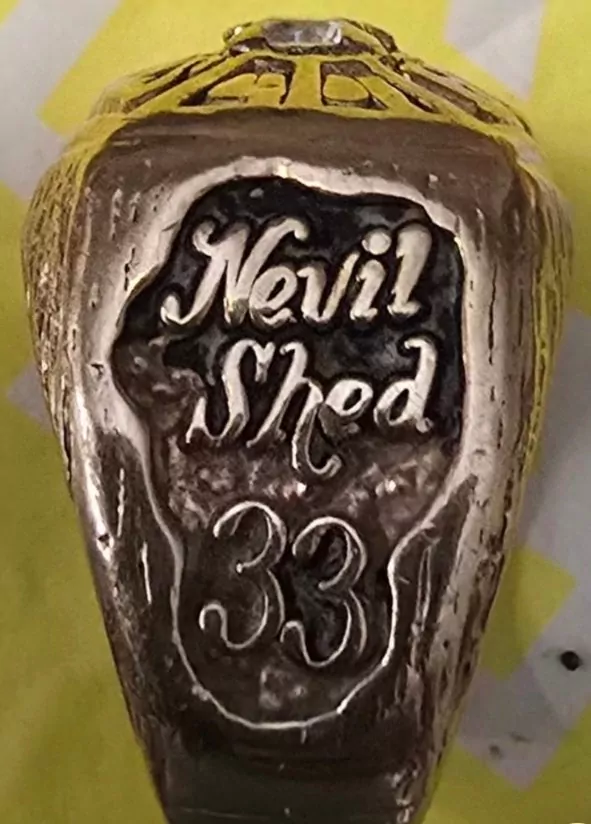
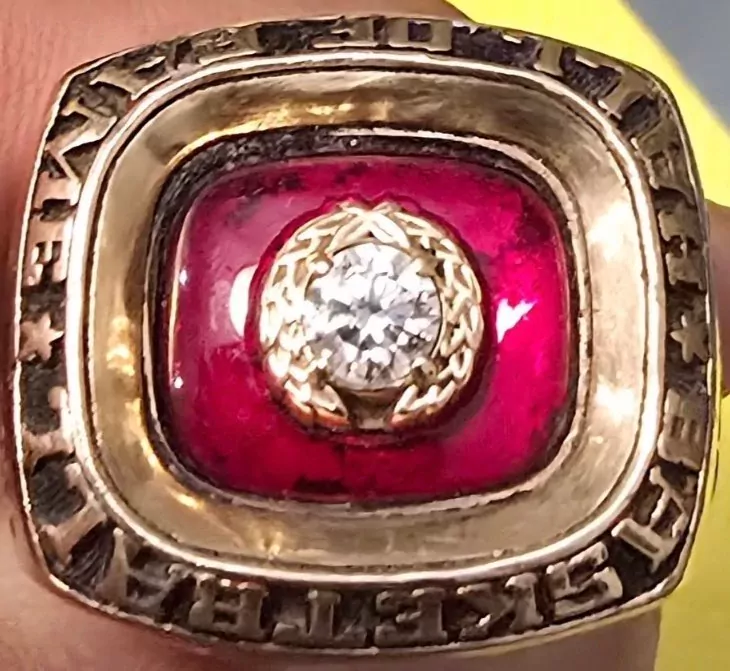
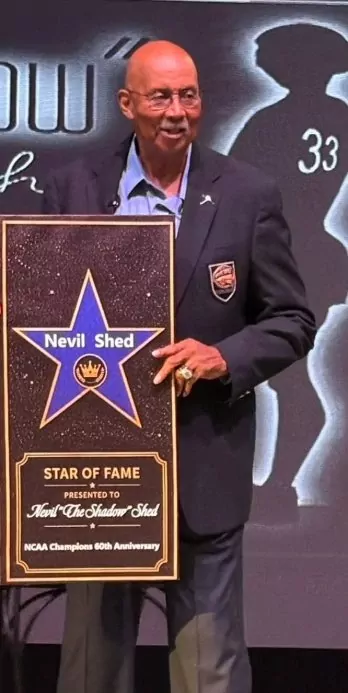

Nevil’s Story. More Than 1966. Far Beyond the Game.
Long before he became part of one of the most important teams in college basketball history, Nevil Shed was a kid from the Bronx.
Born and raised in New York City, Nevil attended Morris High School, where basketball began opening doors beyond his neighborhood. He received an athletic scholarship to North Carolina Agricultural and Technical State University before transferring to Texas Western College in El Paso.
There, under legendary coach Don Haskins, Nevil became part of a team—and a moment—that would change college basketball forever.
Becoming “The Shadow”
At Texas Western, Nevil earned the nickname “The Shadow,” a reflection of the tenacious defense that kept him close to the player he was guarding.
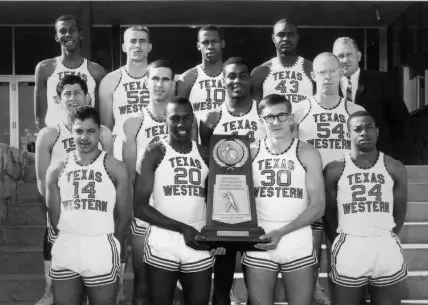
In 1966, Nevil and his teammates made history.
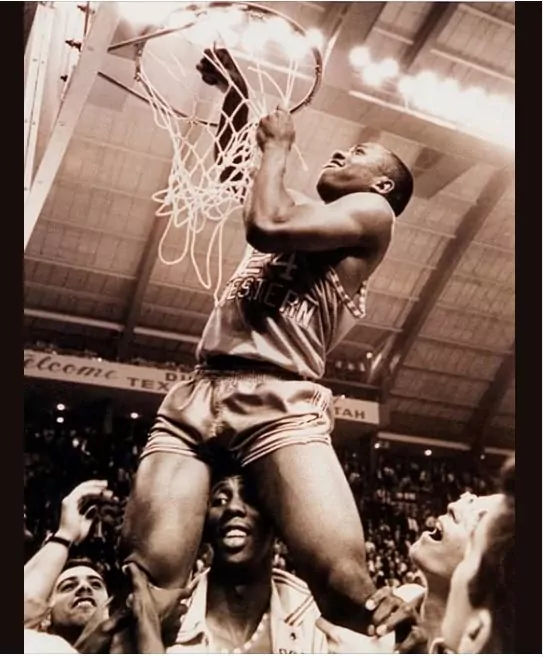
Texas Western defeated the University of Kentucky to win the NCAA national championship. Haskins started five Black players that night, and the Miners' victory became a landmark moment not only in college athletics, but in the larger story of integration and opportunity in America.
It was a night that would follow Nevil for the rest of his life.
But it would never define all of it.
1966 was a defining moment. It was never the end of the story.
When One Dream Ended, Another Began
After graduating from Texas Western, Nevil was drafted by the Boston Celtics in 1967. A severe knee injury cut short his opportunity to pursue a professional playing career.
But Nevil had made a promise to his mother that he would earn his college degree. He kept it.
In 1972, he completed his education—a decision that reflected something that would become increasingly important throughout his life: basketball could create an opportunity, but education could help build a future. And when his playing career ended, Nevil discovered that his influence on the game didn't have to end with it.
From Player to Coach and Educator
Nevil eventually returned to El Paso and worked alongside his former coach, Don Haskins, as an assistant coach at Texas Western, by then known as the University of Texas at El Paso.
He later came to San Antonio, where he helped build another basketball program from its beginning, serving as an assistant coach at the University of Texas at San Antonio. His connection to UTSA would extend far beyond basketball. Nevil spent decades as part of the university community, working with students and continuing the role that increasingly defined his life: teacher, mentor and encourager.
He retired from UTSA in 2006, but retirement did not mean stepping away from young people—or from basketball.
Teaching the Next Generation
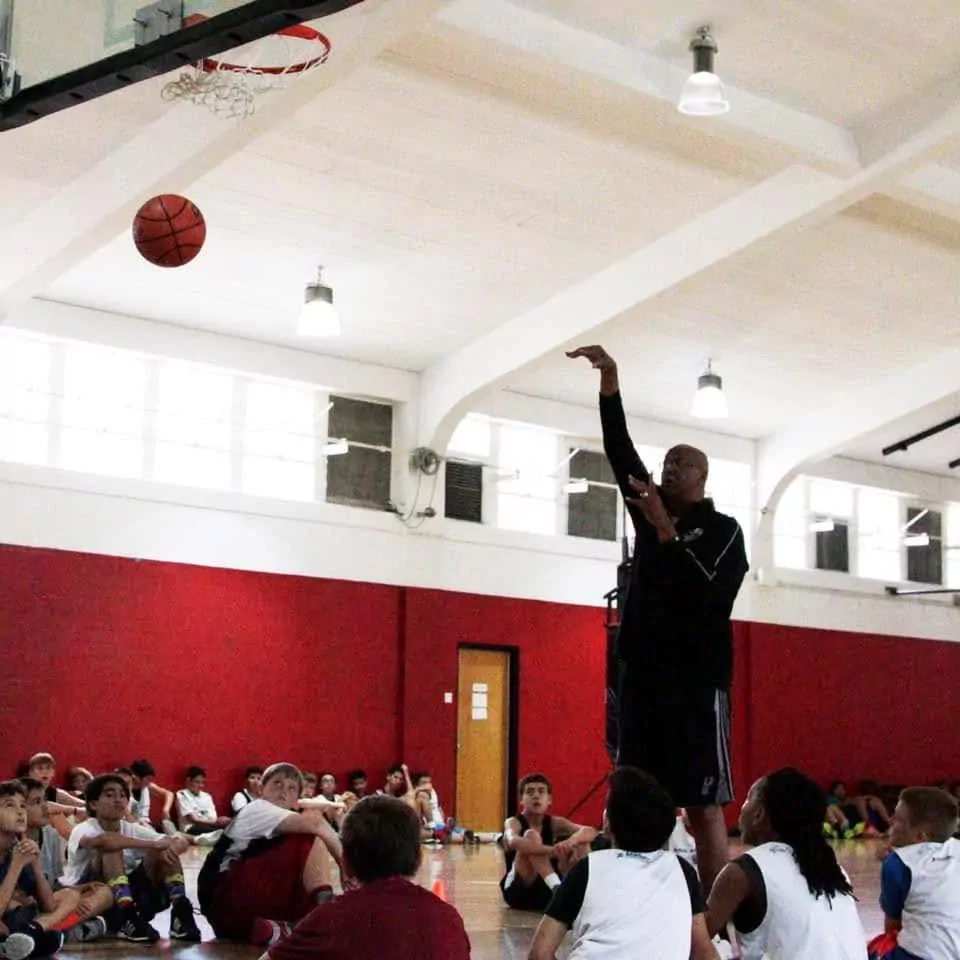
Nevil continued sharing the game through his work with youth basketball camps associated with the San Antonio Spurs, teaching young players far more than how to shoot, pass or defend. The lessons were about discipline. Confidence. Character. Perseverance.
They were lessons Nevil himself had learned from coaches, teachers, family members and others who had believed in him.
And he kept passing them on.
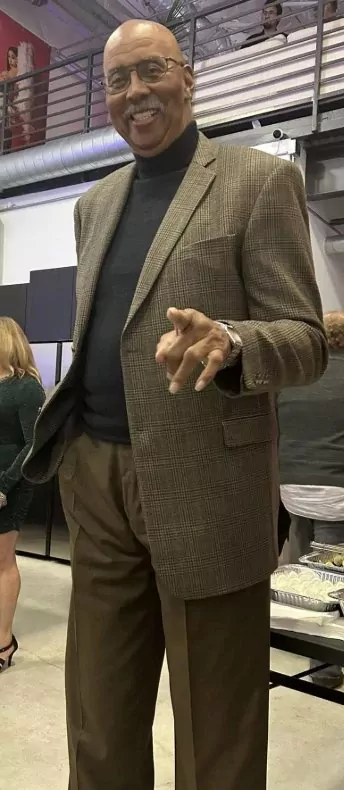
In 2024, decades after first taking the court at Texas Western, Nevil returned to the sidelines again when he joined the Alamo City All-Stars ABA basketball team as an assistant coach, working alongside Head Coach and former San Antonio Spur Johnny Moore. The game was still part of his life. So was teaching.
More Than a Championship
The story of the 1966 Texas Western Miners has been preserved in documentaries, books and the film Glory Road. Nevil and his teammates have received numerous honors for their place in sports history, including induction of the 1966 team into the Naismith Memorial Basketball Hall of Fame.
Those honors matter.
But trophies, championships and Hall of Fame recognition tell only part of Nevil Shed's story.
For decades, Nevil has used the opportunities he was given to create opportunities for someone else.
He has been a player.
A coach.
An educator.
A mentor.
A husband and father.
And through all of those roles runs the same simple idea:
Someone believed in him.
That belief helped a young man from the Bronx discover what he could achieve.
And then Nevil spent a lifetime believing in others.
The Shadow Continues
That is the legacy behind the Nevil Shed Legacy Foundation.
It isn't simply about preserving what happened in 1966.
It's about carrying forward what came from it—the belief that opportunity can change a young person's direction, that character and education matter, that leadership carries responsibility, and that the people whose lives have been changed have the power to change someone else's.
The championship belongs to history.
The legacy is still being written.
BELIEVE • ACHIEVE • CAST YOUR SHADOW
WHAT SHADOW DO YOU CAST?

Follow Us On
Website Design & Hosting by Peacock Marketing
© 2026 Nevil Shed Legacy Foundation